
A Decade of Transformation
The 1990s were a major decade for Rochdale AFC, characterized by both financial adversity and the undying spirit of its supporters. Following a tumultuous end to the 1980s, which saw the club flirting with the possibility of relegation from the Football League, a significant shift began. In 1991, under the stewardship of then-manager Chris Farlowe, the club started to lay down the groundwork for a more secure future.
The Financial Struggles
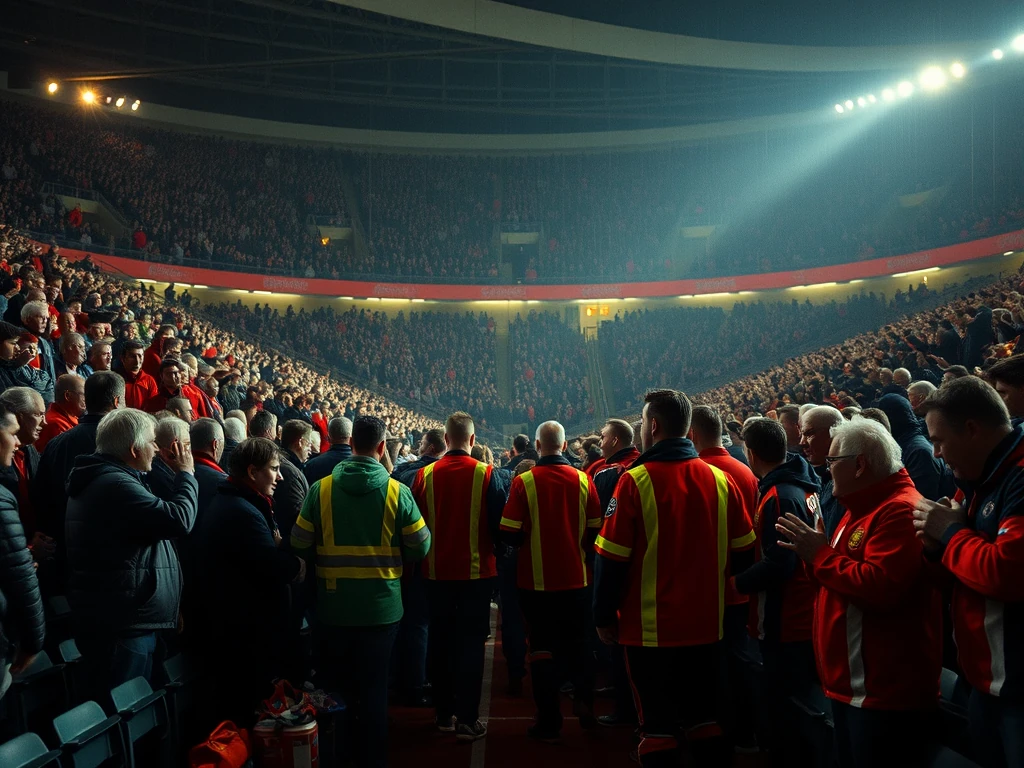
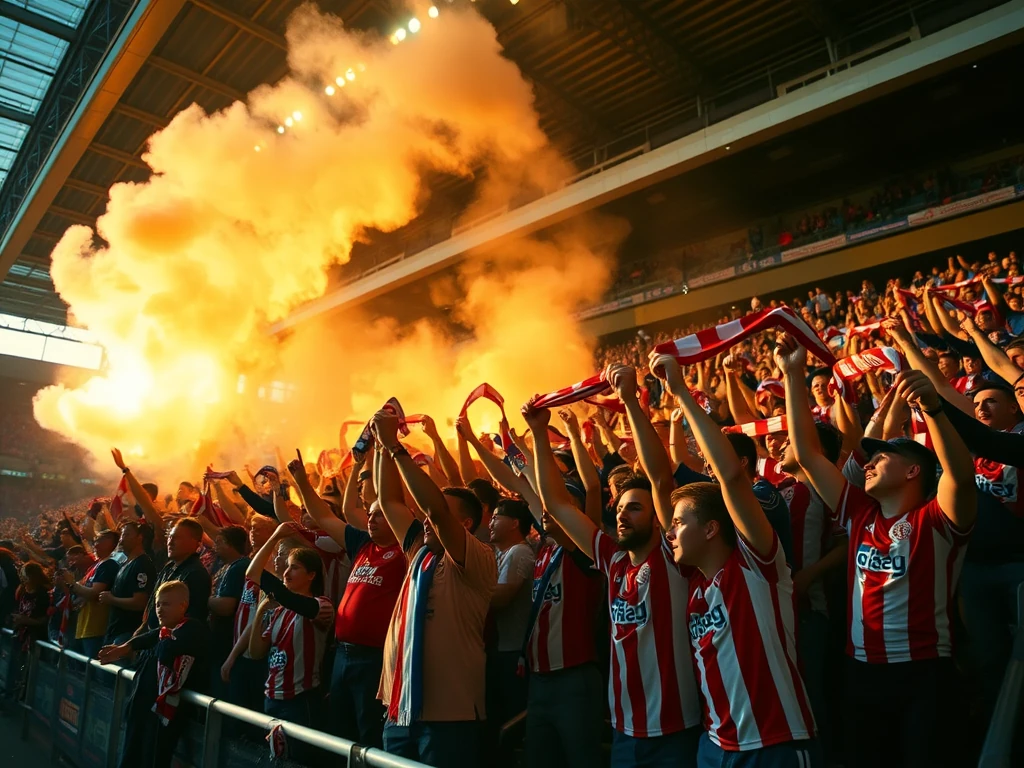
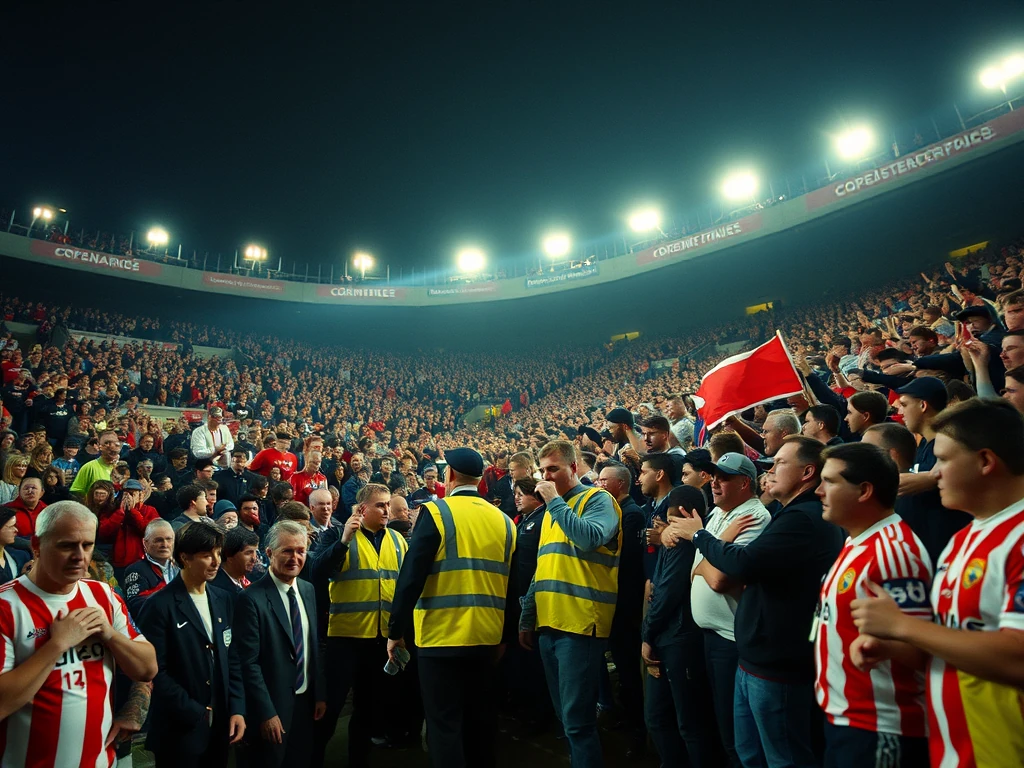
At the beginning of the 90s, Rochdale was grappling with severe financial constraints. The club was heavily reliant on its loyal fan base, who rallied around the team during tough times. The fans' devotion was palpable during match days at the Spotland Stadium, now known as the Crown Oil Arena, where attendance often swelled despite the club's struggles. This unwavering support played a key role in keeping the club afloat.
Building a Competitive Squad
With the financial situation stabilizing, the club focused on building a competitive squad, culminating in the appointment of manager Paul Simpson in 1997. Simpson's arrival marked a turning point, as he implemented a more dynamic playing style and brought in fresh talent. The likes of striker Grant Holt and midfielder Kevin Townson became household names among the Dale faithful, contributing significantly to the club's resurgence.
Cup Glory and Growing Ambitions
The highlight of this revival came during the 1997-98 season when Rochdale reached the FA Cup Fourth Round for the first time in decades. The cup run captured the imagination of the local community and served as a reminder of what the club could achieve. Although they eventually fell to a strong Barnsley side, the performance ignited a renewed sense of optimism among supporters and established a belief that the club could once again compete at higher levels.
The Community's Role
Throughout this period, the community's role in Rochdale's journey cannot be overstated. Local businesses and fans collaborated to ensure the club's survival, organizing fundraisers and events that not only supported the team financially but also fostered a strong sense of community identity. This grassroots backing was instrumental in creating a club culture where fans felt a genuine connection to their team.
The Path Forward
As the 1990s came to a close, Rochdale AFC had successfully handled the stormy waters of financial instability and emerged stronger. The club's ability to build a competitive side, coupled with the unwavering support from the community, laid a key foundation for future success. It was a decade marked by resilience, and the lessons learned during this time continue to resonate with fans and players alike.
Conclusion
Rochdale's revival in the 1990s is a sign of the power of community and perseverance. As the club looks to the future in the National League, the spirit of that decade remains alive, reminding everyone associated with Dale that even in the face of adversity, hope and hard work can lead to brighter days ahead.