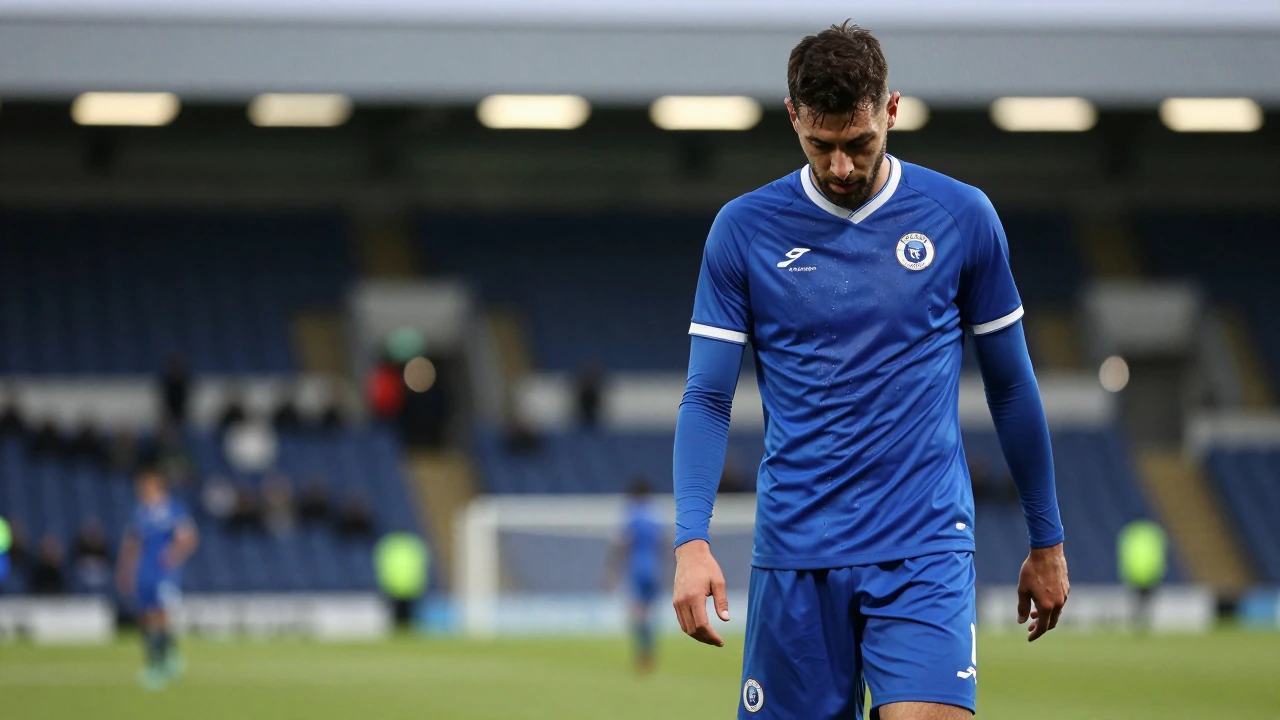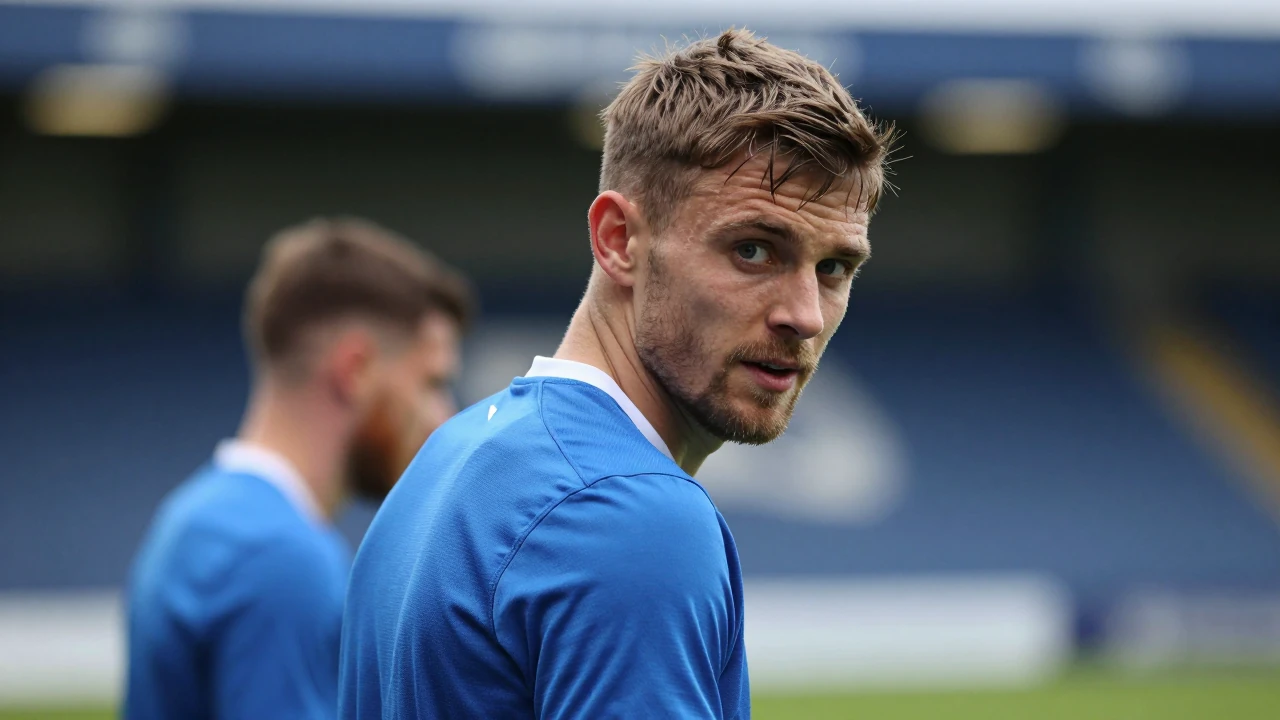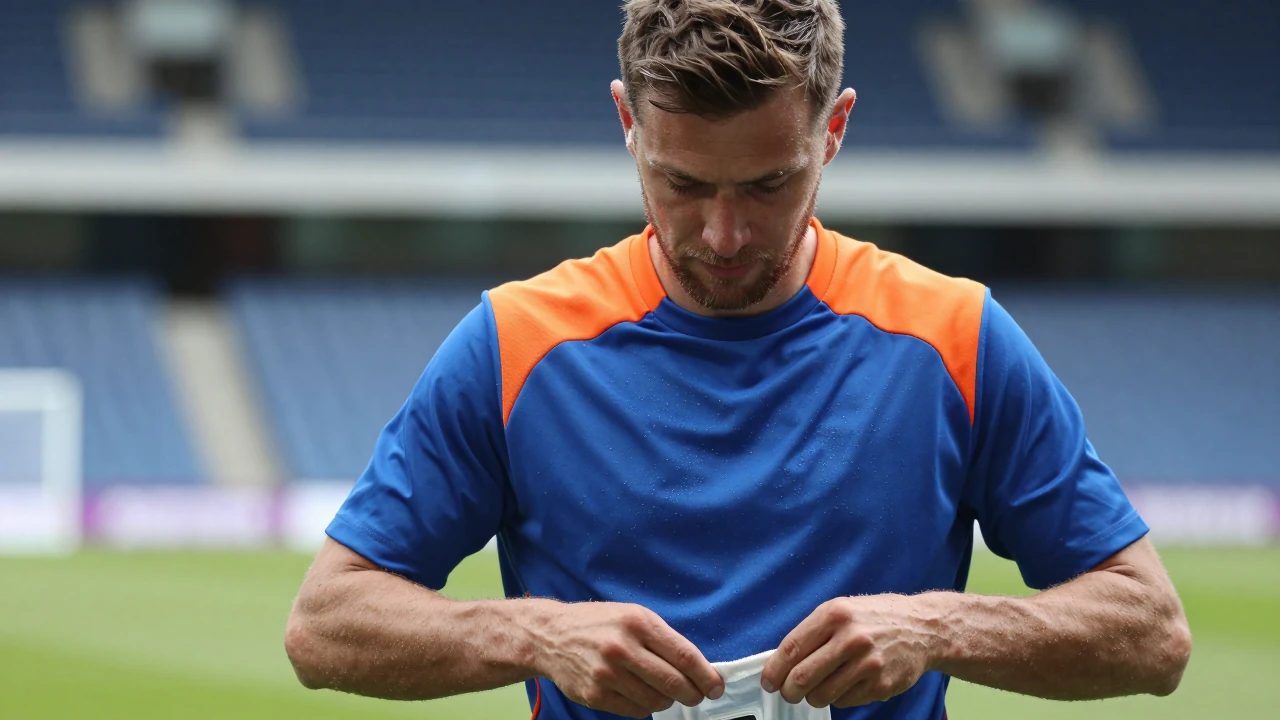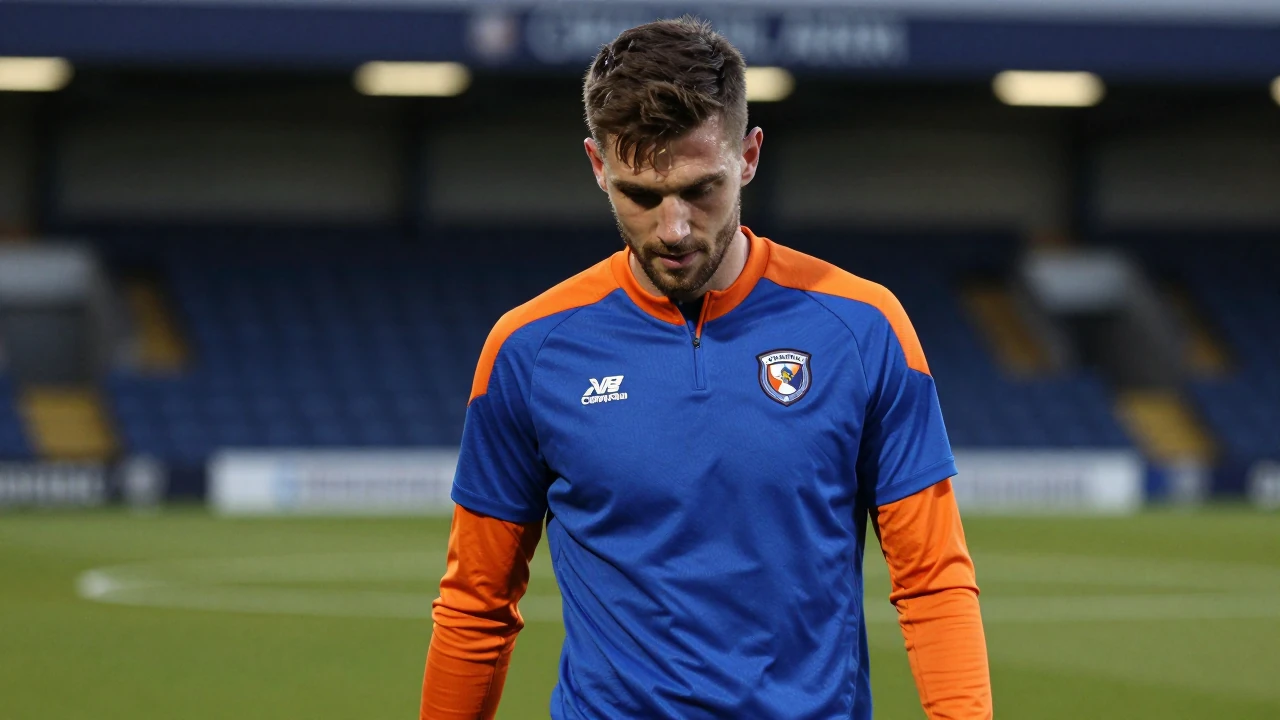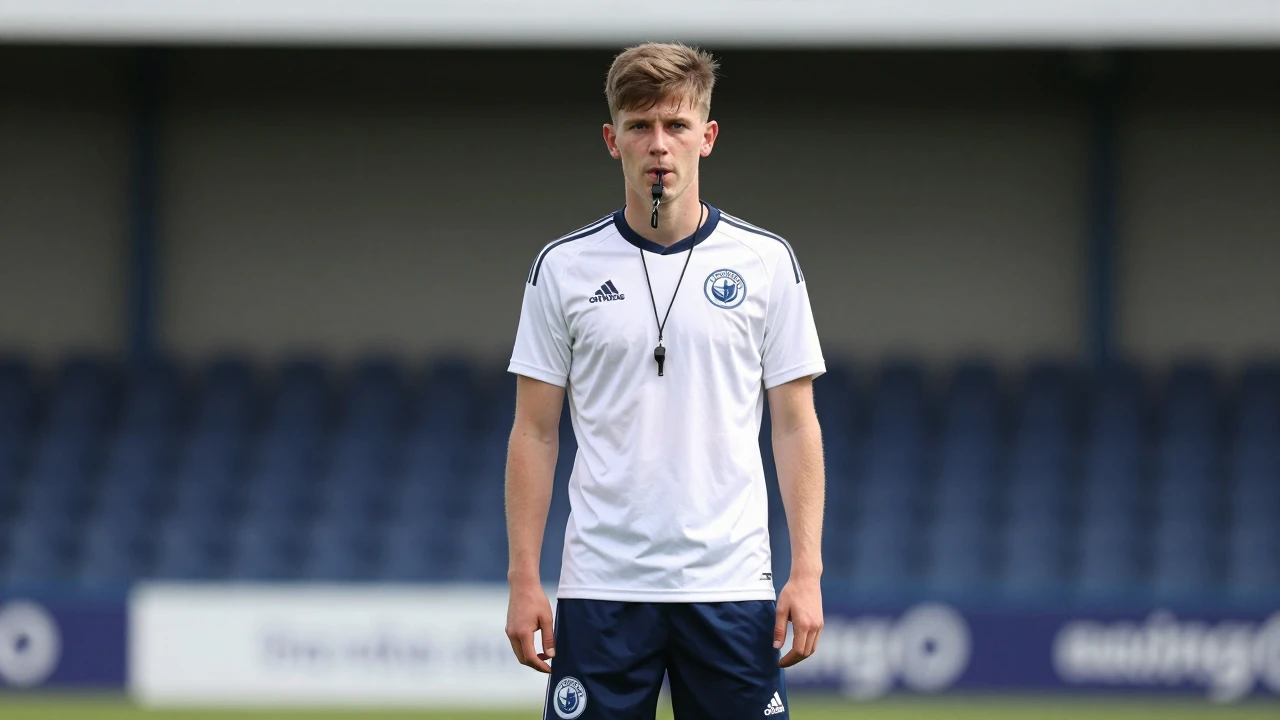
Rochdale AFC's new era in the English Football League begins this Saturday with a home fixture against Crawley Town. The club's return follows a historic promotion secured through last season's National League play-offs, a journey that has transformed the club on and off the pitch. As of 26 August 2026, the early season presents a challenge, with the team 23rd in League Two, having lost its opening two matches and conceding five goals while scoring just one.
The path back to the EFL was fraught with late drama. Rochdale fought York City for the National League title until the final day, where a 103rd-minute York winner after a Dale added time goal saw the title slip away. Entering the play-offs, they beat Scunthorpe United to set up a Wembley final against Boreham Wood. In that final, Rochdale staged a remarkable comeback from 2-0 down, scoring a 97th-minute equaliser to force extra time before winning a penalty shootout. That victory delivered the first major trophy in the club's 120-year history, now displayed in a glass cabinet at Spotland. CEO Laura Thomas, for whom those three play-off games were her first in charge, remarked, "People kept telling me it's not usually like that."
Relegation from the Football League three years ago brought the club to the brink of liquidation. A huge community fundraising effort kept it afloat before the family of local businessman Peter Ogden completed a takeover in May 2024. The Ogdens have injected new life and investment, driving a sizeable summer transformation. Work included upgrading bars, the boardroom, catering, and cabling, with promotion hastening some projects due to EFL regulations. The pitch, a past problem, was relaid mid-last season. A new safe standing section has also been introduced at the historic ground. The club's ambition, according to Thomas, is to become a sustainable fulcrum for the local community, ultimately destined for fan ownership. The owners intend to put in less money each year as the club maximizes revenue from matchday, non-matchday, and retail operations, viewing itself as an events business and a retailer too.
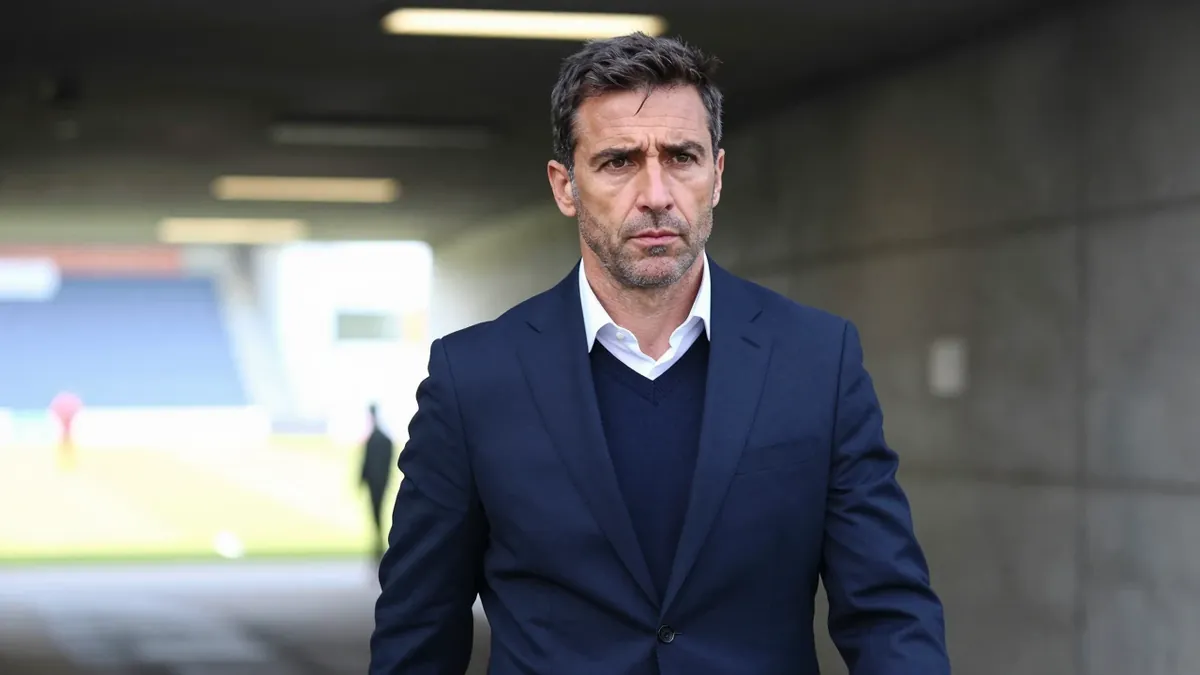
Manager Jimmy McNulty departed for Stockport County after promotion. His replacement is 40-year-old Ian Watson, who left his job at South Shields and his native north east to take the role. Watson is now based in Rochdale, travelling back to see his family once a week. He cited the Ogden family's project as a huge selling point. "But as soon as I got on a call with Rochdale it was really clear that they were amazing people," Watson said. He had other opportunities this summer but chose Dale. His seven-year-old son has already become a fan after a visit to the club shop. Watson oversees a squad that saw double-figure signings and departures this summer, a major refresh for the EFL campaign.
Financially, promotion is vital. The increased finances in the EFL are a big help, with the solidarity payment for League Two clubs around £1 million, plus added broadcast money. This supports the club's community vision, embodied by CEO Thomas's three Fs: football, fans, and family, with family meaning the wider Rochdale community. The club's Community Trust turns 30 this year, and through the Ogden Trust, it runs an additional provisions school called Dale Futures. On the pitch, the immediate focus is improving results. The team is six points behind early leaders Barnet and will look to top scorer I. Henderson, who has four goals in 11 appearances, to help turn the form around. Fans can track the team's progress on our standings page and view the full squad list. The story of Rochdale's rollercoaster ride, from near-liquidation to Wembley glory and a renewed community mission, has been documented.