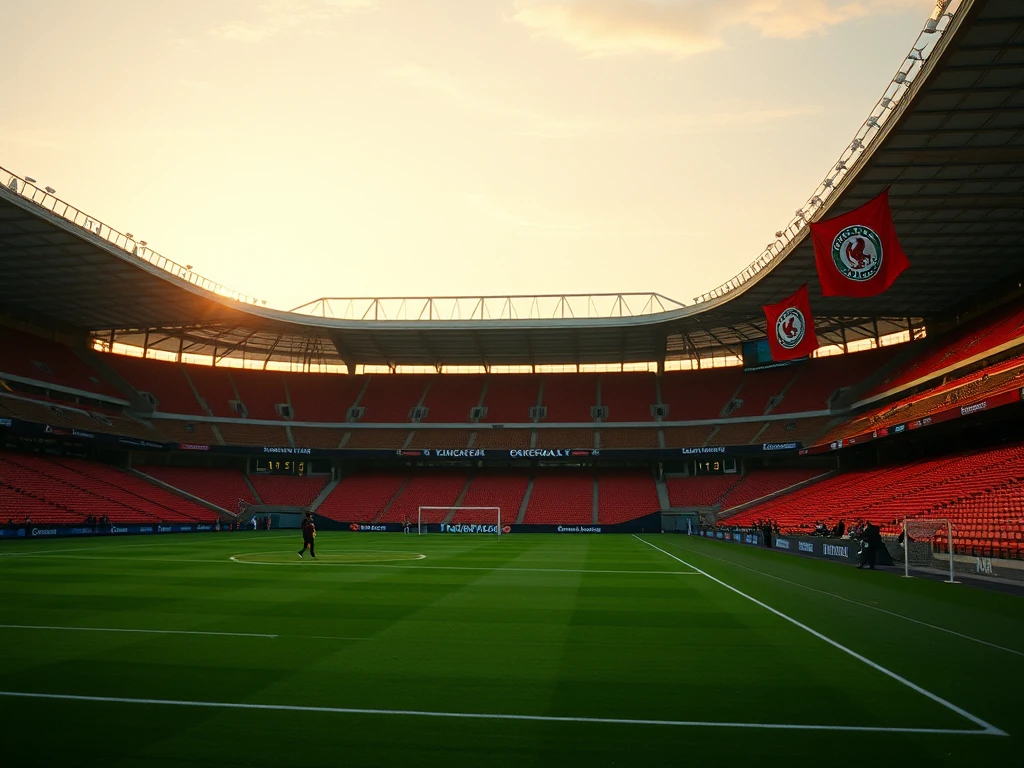

Tactical Overview
Rochdale AFC has shown promise in recent outings, yet inconsistency remains a hurdle as they vie for promotion in the National League. The team's tactical setup under the management of the coaching staff has generally revolved around a solid 4-4-2 formation, allowing them to balance defensive stability with attacking potential. However, as their performances fluctuate, a closer analysis of their tactics reveals several tweaks that could enhance their effectiveness on the pitch.
Midfield Dynamics
One area that warrants attention is the midfield. Currently, the pairing of L. Hannant and Anthony Gomez Mancini provides a good blend of creativity and work rate, yet at times, the central midfield is overwhelmed during transitions, particularly against teams that press aggressively. Introducing a more dynamic presence in the form of a third midfielder could help control the tempo and alleviate pressure. A switch to a 4-3-3 formation might be beneficial, allowing for greater ball retention and quicker transitions into attack. This change could also facilitate better support for the forwards, ensuring that E. Dieseruvwe receives the service he needs to convert chances effectively.
Defensive Solidity
Defensively, while Rochdale has shown resilience, moments of vulnerability have led to dropped points. The back four, anchored by O. Adebayo-Rowling, has been largely solid, but communication and positioning have occasionally faltered, particularly when dealing with pacey counter-attacks. Encouraging the fullbacks to tuck in more during defensive phases could provide additional cover, while a more proactive approach from the central defenders in stepping up to engage attackers earlier may reduce the number of clear-cut chances conceded.
Attacking Play
In attack, Rochdale's play has often been predictable, relying heavily on wing play to create opportunities. While width is essential, varying the attacking patterns can keep opponents on their toes. Implementing more detailed passing combinations around the edge of the box can create space for shots or openings for late runs into the area from midfielders. Additionally, integrating a second striker or a creative forward who can drop deep to link play could diversify the attacking threat and exploit gaps left by opposing defenses.
Set-Piece Strategies
Set-pieces are another avenue where Rochdale can capitalize. Currently, the team has not fully used its aerial strength during corners and free-kicks. By incorporating specific routines that exploit the height and physicality of their players, Rochdale can become a more significant threat in these situations. Training sessions focused on set-piece strategies could yield dividends in tight matches where goals are hard to come by.
Conclusion
Adjusting Rochdale's tactical approach does not necessitate a complete overhaul but rather a few strategic tweaks that can maximize the squad's strengths. By enhancing midfield control, solidifying defensive communication, diversifying attacking options, and optimizing set-piece execution, Rochdale can unlock its potential and push for promotion in the National League. The Crown Oil Arena has always been a fortress, and with the right adjustments, it can inspire the team to greater heights.